Gustav Klimt — Portrait of Adele Bloch-Bauer I Print
1907
Illustrative frame preview.
Belvedere, ViennaOriginal work, 1901
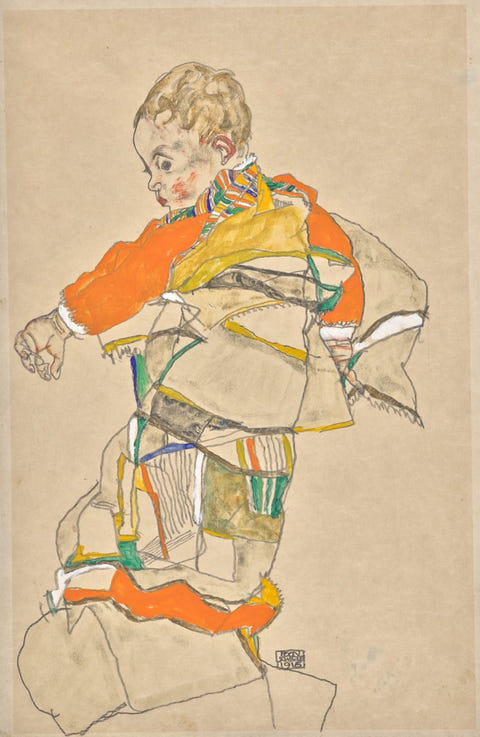
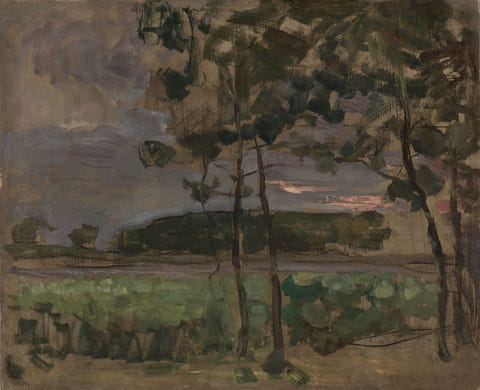
Judith’s face and raised chin emerge from a richly patterned gold surround. Dark hair, translucent fabric and the cropped head at the lower edge give Klimt’s portrait its charged, decorative character.
A fine-art giclée reproduction on 200 gsm uncoated paper. The complete composition is presented with a white paper border. Choose from the available sizes and unframed or framed finishes.
$29.00
Delivery to the contiguous US and Washington, DC.
Fine-art print on 200 gsm enhanced matte paper. Measurements are the paper dimensions, including the white border. Framing adds to the overall dimensions. The artwork keeps its approved composition within those margins. White, natural and dark wood frames are ready to hang with plexiglass.
Judith’s face and raised chin emerge from a richly patterned gold surround. Dark hair, translucent fabric and the cropped head at the lower edge give Klimt’s portrait its charged, decorative character.
A fine-art giclée reproduction on 200 gsm uncoated paper. The complete composition is presented with a white paper border. Choose from the available sizes and unframed or framed finishes.
Austrian · 1862–1918
Gustav Klimt was born in 1862 and trained at Vienna’s School of Applied Arts. His father was an engraver, and the relationship between fine art and skilled craft formed part of his early surroundings. Klimt began with substantial decorative commissions, working alongside his brother Ernst and Franz Matsch on paintings made for architectural settings and public interiors.
In 1897 Klimt became a founder and the first president of the Vienna Secession. The group sought new possibilities for art around the turn of the century, bringing painting into conversation with architecture, sculpture and applied design. His own work became increasingly individual, with strong contours and decorative invention changing the relationship between a body and its surrounding space.
Explore Gustav Klimt prints